
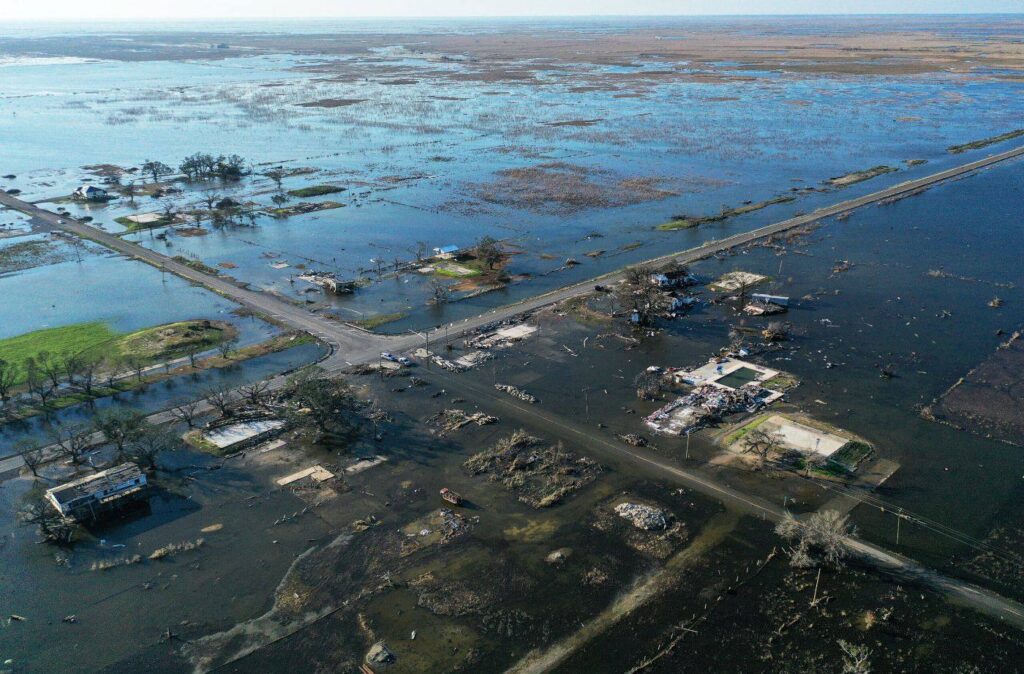
The challenge
Public Assistance is won or lost on documentation
Every project needs a damage description, a scope of work, a cost estimate and the documents to back them up. When that work lives in email, spreadsheets and shared drives, requests for information pile up and reimbursement slips by months.
How it works
From the damage inventory to closeout
- 1
Start from the damage you already documented
Damage assessments from the field become the damage inventory, so applicants and projects start with photos, locations and estimates already in hand.
- 2
Formulate and document each project
Track every applicant and project through formulation, keep supporting documents with the project, and answer FEMA’s requests for information on time.
- 3
Reimburse and report
Manage reimbursement requests and subrecipient payments, and give leadership a live view of where every project stands.
What’s included
From the damage inventory to reimbursement
Projects
-
Applicant trackingEvery applicant, every project and every deadline in one list.
-
Project formulationDamage descriptions, scopes of work and cost estimates built from field data.
-
Documents and RFIsSupporting documents stay with the project. Requests for information are tracked to closure.
Money and reporting
-
Reimbursement requestsPrepare and track requests for reimbursement.
-
Subrecipient paymentsRecord payments to applicants against each project.
-
Leadership dashboardsSee every project’s estimated, obligated and spent cost in one view.